
Saltwater Pool Leak Signs vs. Chlorine Pools: What Birmingham Homeowners Should Know
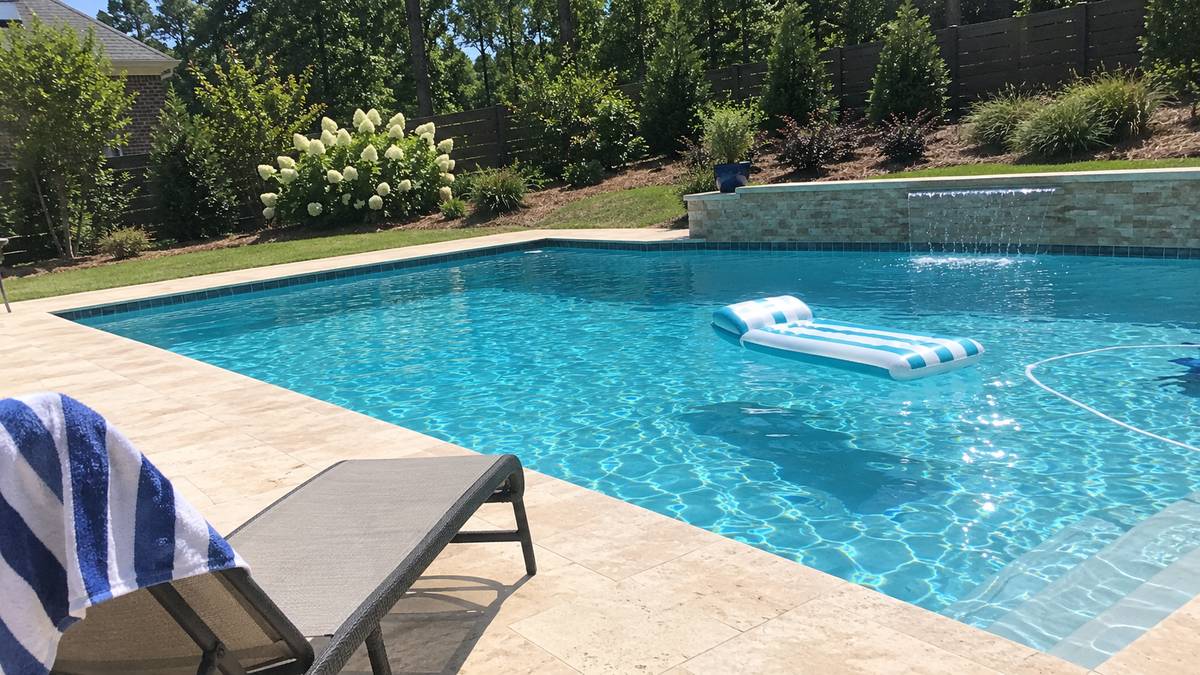

If you own a saltwater pool in Birmingham, you have probably noticed it behaves a little differently than a chlorine pool. Saltwater pool leak signs can look almost identical to normal salt cell issues. A lot of homeowners waste weeks chasing the wrong problem because of this. At Leak Rescue, we get called out across the Birmingham area for exactly this mix up. Here is how to tell the difference before you spend money fixing the wrong thing.
Why Saltwater Pools Hide Leaks Differently
A saltwater pool runs a salt chlorine generator. It converts dissolved salt into chlorine. The system constantly measures salt levels. Because of that, small changes often show up on your equipment readout before you notice anything visually.
That sounds like an advantage. However, it also creates a trap. Falling salt readings can mean a leak. But they can also mean dilution from rain, backwashing, or splash out. Salt level changes alone are not proof of a leak. Treating them that way leads to unnecessary repairs.
Signs That Point to an Actual Leak
A few signs are more reliable than salt readings alone. Watch for these together, not in isolation.
- Water loss beyond normal evaporation, more than a quarter inch per day
- Wet spots or unusually lush grass near underground plumbing lines
- Air bubbles in the return jets during normal operation
- Cracks near the skimmer, light niche, or steps
- A rising water bill with no other explanation
If you are seeing two or more of these alongside falling salt levels, that combination is a strong signal. One symptom by itself rarely tells the full story.
Chlorine Pools Show Different Warning Signs
Traditional chlorine pools do not have a salt cell constantly reporting data. Leak detection relies more heavily on physical observation instead. A leak introduces fresh, untreated water that dilutes your chemical balance, so chlorine demand often spikes first.
Birmingham chlorine pool owners typically notice a leak through faster algae growth. They might also notice needing to add chlorine more often than normal. Unlike saltwater systems, there is no equipment readout flagging the change early. Chlorine pool leaks often go unnoticed longer as a result.
The Bucket Test Works for Both, With One Caveat
The classic bucket test still applies to both pool types. Place a bucket on the pool step. Fill it to match the pool's water level. Mark both levels, then check after 24 hours.
For saltwater pools, run this test with the salt cell temporarily paused if possible. Active salt generation can slightly affect evaporation readings. Pausing it for the test period gives you a cleaner comparison. Chlorine pool owners do not need this extra step.
How to Read Your Results
- If the pool water dropped more than the bucket water, you likely have a leak
- If both dropped by a similar amount, you are probably just seeing normal evaporation
- A difference of an inch or more over 24 hours is a strong leak indicator regardless of pool type
Salt Cell Damage Can Mimic Leak Symptoms
Here is where things get confusing for saltwater owners specifically. A failing salt cell can cause chlorine production problems that look a lot like water loss symptoms. This happens even when no water is actually escaping.
Corroded or scaled salt cells sometimes trigger error codes. Homeowners often mistake these for leak alerts. Before assuming you have a leak, check your salt cell's actual condition first. If the cell needs cleaning or replacement, that alone might explain the readings you are seeing. No actual leak has to be involved.
Why Professional Testing Still Matters
Even with these signs to watch for, DIY diagnosis has real limits, especially with saltwater systems. Professional leak detection uses pressure testing, dye testing, and electronic listening equipment. These tools pinpoint a leak's exact location instead of just confirming water loss exists.
At Leak Rescue, we factor in salt cell readings alongside physical inspection. Relying on equipment data alone can send you chasing a leak that is not actually there. Combining both approaches is the only reliable way to separate an equipment issue from a true leak. That distinction saves Birmingham homeowners real money in unnecessary repairs.
Cost Differences Worth Knowing
Saltwater pool repairs can run slightly higher than chlorine pool repairs in certain cases. Salt water is more corrosive to certain plumbing fittings and metal components over time. A leak that goes unaddressed longer in a saltwater system can cause more damage. That damage often spreads to nearby hardware over time.
This is another reason catching a saltwater leak early carries extra value. The corrosive nature of salt water means delayed detection does not just waste water. It can also speed up wear on equipment that would otherwise last for years.
What Salt Cell Maintenance Has to Do With All of This
A lot of the confusion around saltwater leaks actually traces back to routine salt cell maintenance, or the lack of it. Salt cells build up scale over time. This happens especially in areas with harder water, like parts of the Birmingham metro.
When scale builds up, the cell has to work harder to produce the same amount of chlorine. That extra strain can throw off salt readings in ways that mimic water loss. This can happen even on a pool with zero actual leaks. Cleaning your cell every few months removes one of the biggest sources of false alarms. Follow the manufacturer's recommended schedule so it never becomes a mystery.
What to Do If You Suspect a Leak Today
- Check your salt cell readout for any error codes or unusual readings first
- Run a 24 hour bucket test with the salt cell paused if your system allows it
- Walk the perimeter of your pool looking for wet spots or lush patches of grass
- Compare your most recent water bill against previous months
- Call a licensed leak detection company if two or more signs point the same direction
Skipping straight to a full inspection without these initial checks is not wrong. But it does mean paying for diagnostic work that a five minute check might have ruled out first.
Frequently Asked Questions
How do I know if my saltwater pool leak is real or just a salt cell issue?
Check your salt cell for error codes and inspect it for scaling or corrosion first. If the cell looks fine but salt readings keep dropping alongside physical signs like wet ground or rising water bills, that combination points toward an actual leak rather than an equipment problem.
Do saltwater pools lose water faster than chlorine pools when they leak?
No, the leak itself behaves the same regardless of chlorine type. The difference is detection. Saltwater systems often show warning signs earlier through salt level readings, while chlorine pools typically show signs later through algae growth or increased chemical demand.
Can a bad salt cell cause my pool to actually lose water?
No, a failing salt cell affects chlorine production and salt readings, but it does not cause physical water loss on its own. If your pool is genuinely losing water, that points to a separate leak somewhere in the shell, plumbing, or equipment.
How often should I check for pool leaks in Birmingham?
A quick visual check each month is reasonable, especially after heavy Alabama storms or during hot summer months when evaporation is harder to tell apart from an actual leak. A full bucket test once a season catches most issues before they become expensive.
Is saltwater more damaging to a pool during a leak than chlorine water?
Yes, to nearby metal fittings and certain plumbing components. Saltwater is more corrosive over time, so a leak left unresolved in a saltwater pool can cause additional wear beyond the water loss itself, especially around equipment pads and metal fixtures.
What does professional leak detection add that a bucket test cannot tell me?
A bucket test only confirms that a leak exists. Professional detection using pressure testing, dye testing, and electronic equipment pinpoints exactly where the leak is located, which is the information actually needed to fix it.
If you are seeing mixed signals between your salt cell and your water level, do not guess. Schedule a free leak detection estimate with Leak Rescue and get a clear answer before you spend money on the wrong repair.
Discover More Blog Posts
Explore our collection of informative and engaging blog posts.
Ready for a Leak-Free Pool Experience?
Contact Leak Rescue today for professional and reliable pool care services. Whether it’s detection, repair, or renovations, we ensure your pool remains a source of joy and relaxation.
