
Does Homeowners Insurance Cover Pool Leak Damage? A Birmingham Homeowner's Guide
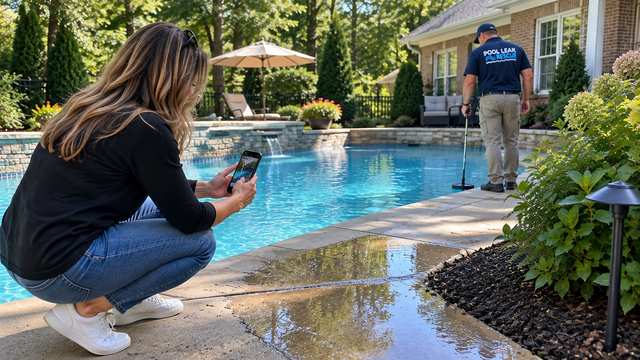

Finding a leak in your pool is stressful enough. Then comes the bigger question: will your homeowners insurance help pay for it?
For Birmingham homeowners, the answer is not a simple yes or no. Pool Leak Rescue works with pool owners across the greater Birmingham area who are dealing with exactly this situation, and the confusion around insurance coverage is one of the most common things we hear. Whether coverage applies depends on the cause of the leak, the type of damage, your specific policy, and how the claim is documented.
This guide breaks down what Alabama homeowners typically encounter when filing an insurance claim related to pool leak damage, and what you need to know before you call your agent.
The Core Distinction: Sudden vs. Gradual Damage
Insurance coverage almost always hinges on one question: was the damage sudden and accidental, or did it develop gradually over time?
Sudden and accidental damage is generally covered. A pipe that bursts due to a pressure surge, a fitting that fails without warning, a tree limb that punctures the pool shell during a storm. These are events your insurance company typically views as covered losses.
Gradual damage is almost never covered. A slow leak that has been losing water for months, corrosion that developed over years, or a crack that formed slowly due to ground movement. Insurers classify these as maintenance issues, not sudden losses. The reasoning is that the homeowner had an opportunity to discover and address the problem before it became serious.
This distinction matters more than almost any other factor in determining whether your claim will succeed.
What Homeowners Insurance May Cover
When a pool leak results from a qualifying event, your policy may cover several types of damage. However, coverage varies significantly between policies and insurers, so always review your specific declarations page.
Damage to surrounding structures. If a pool pipe failure causes water to damage your patio, deck, landscaping, or nearby outbuildings, that property damage may be covered under the dwelling or other structures portion of your policy.
Water damage to your home. If water from a pool leak migrates into your home's foundation, crawl space, or interior, and the leak was sudden and accidental, your homeowners policy may cover the resulting damage to the structure.
Certain equipment failures. Some policies cover sudden mechanical or electrical failure of pool equipment. This varies widely by policy and insurer, and many standard policies exclude equipment breakdown entirely. A separate equipment breakdown endorsement is available from some insurers and is worth asking about.
Storm and weather-related damage. If a storm event directly causes pool damage such as hail cracking the shell, a falling tree damaging the plumbing, or flooding from a named storm affecting the pool structure, coverage may apply through your standard policy or a separate flood policy.
What Homeowners Insurance Typically Does Not Cover
The exclusions are where most Birmingham pool owners run into trouble. These are the categories that most standard policies will not pay for.
The leak itself. Most policies explicitly exclude coverage for the cost of repairing the leak. If your pool pipe is cracked and losing water, the cost to fix the pipe is typically your responsibility. What insurance may cover is the resulting damage, not the source.
Gradual water loss. If your pool has been losing water for weeks or months, insurers will likely view this as a maintenance problem and deny the claim. Documenting the sudden onset of a problem is critical.
Ground movement and settling. Alabama's clay-heavy soils are prone to expansion and contraction with moisture changes. Cracks that result from soil movement are generally excluded under standard policies as earth movement.
Pool structure replacement. Most standard homeowners policies do not cover the pool itself as a covered structure in the same way they cover your home. Some policies add pool coverage as a rider; many do not include it at all.
Mold or algae resulting from a leak. If a slow leak went undetected long enough for mold or algae to develop in an adjacent area, insurers will typically deny that portion of the claim as well, citing delayed discovery.
Does Alabama Have Any Specific Considerations?
Birmingham's climate and geology create a few factors worth understanding as you review your coverage.
Alabama sits in a high-humidity region with significant seasonal rainfall. The combination of wet winters and dry summers causes soil to shift more than in drier climates. Birmingham specifically sits on karst limestone terrain in some areas, which is prone to settling and sinkhole activity. Standard homeowners policies almost universally exclude earth movement coverage, which means pool cracks related to ground shifting are typically uninsured losses.
Alabama also lies in a region that experiences significant storm activity, including severe thunderstorms, high winds, and occasional tornadoes. Storm-related pool damage is generally covered under the peril-specific provisions of your policy, though flood damage requires a separate NFIP or private flood policy.
If you are in a flood zone near the Cahaba River, Village Creek, or any of the other waterways that run through the Birmingham metro, a separate flood policy is worth having regardless of your pool situation.
How to Strengthen Your Insurance Claim
If you believe your pool damage qualifies for coverage, documentation is everything. Insurers look for clear evidence that the loss was sudden, recent, and outside your control.
Get a professional leak detection inspection immediately. Do not wait. The sooner a licensed technician identifies and documents the leak, the harder it is for an insurer to argue the damage was gradual. Pool Leak Rescue provides written documentation of findings that can support your claim.
Take photos and video before any repair work begins. Capture the damage to the pool, any surrounding structures, and any water migration into adjacent areas. Timestamp everything.
Pull your water bills. A sudden spike in your water utility usage is objective evidence that the loss was acute, not chronic. Birmingham Water Works bills are available through your online account and can be printed for your adjuster.
Do not make unauthorized repairs before the adjuster visits. Mitigation work to prevent further damage is appropriate and generally required by policy terms. But replacing or removing the damaged component before your adjuster documents it can complicate your claim significantly.
Request a written report from your pool contractor. A written assessment from Pool Leak Rescue stating the probable cause, whether the damage appears sudden or gradual, and the scope of repair needed gives your adjuster a professional basis for evaluating the claim.
Working With Your Insurance Adjuster
When your adjuster visits, they are looking for evidence that your claim fits within the covered perils of your policy. A few things to keep in mind.
Be specific about when you first noticed the problem. If you noticed something unusual, such as a wet area of your yard, a sudden increase in chemical consumption, or the pool dropping faster than evaporation would explain, document when that was. A clear timeline strengthens the sudden-loss argument.
Ask your adjuster directly which portion of the claim they are evaluating. Coverage for the repair itself and coverage for resulting property damage are handled differently. Understanding which you are filing for helps you provide the right documentation.
If your claim is denied, you have the right to request a written explanation and to dispute the denial. Alabama homeowners can also contact the Alabama Department of Insurance at 1-800-433-3966 if you believe a claim was handled improperly.
When to Call Before You Call Your Insurance Company
One mistake Birmingham pool owners sometimes make is filing a claim before they fully understand the scope of the damage. An unsubstantiated or denied claim can affect your premium regardless of the outcome.
Before you call your insurance agent, have Pool Leak Rescue assess the leak. Knowing the cause and scope of the damage in advance lets you make an informed decision about whether to file, and it gives you the documentation you need if you do. In some cases, the repair cost may fall below your deductible, making a claim unnecessary. In others, a professional inspection report is exactly what your adjuster needs to approve coverage.
FAQ
Does homeowners insurance cover pool leak repair in Alabama?
Standard homeowners insurance policies typically do not cover the cost of repairing the leak itself. What may be covered is damage to other structures or your home caused by the leak, provided the loss was sudden and accidental rather than the result of gradual deterioration. Review your specific policy and speak with your agent to understand what your coverage includes.
Will my insurance cover a cracked pool shell in Birmingham?
It depends on the cause. If the crack resulted from a sudden covered event like a storm or a burst pipe, coverage may apply to the resulting damage. If the crack developed gradually due to ground movement, settling, or aging, it will almost certainly be excluded. Alabama's clay soils and limestone geology make ground-movement-related cracks common, and those are generally not covered under standard policies.
How do I prove my pool leak was sudden and not gradual?
Documentation is key. A professional leak detection report from Pool Leak Rescue establishing the cause and likely onset of the damage, combined with water utility records showing a sudden spike, photographs taken before repairs begin, and a clear timeline of when you first noticed a problem all help establish that the loss was sudden. The more specific and contemporaneous your documentation, the stronger your position with the adjuster.
Does Alabama require insurance companies to cover swimming pools?
No. Alabama does not mandate specific pool coverage in homeowners policies. Whether and how your pool is covered depends entirely on your policy terms. Some policies include the pool as an other structure; others exclude it entirely or require a rider. Read your declarations page carefully and ask your agent whether your pool has coverage and under what conditions.
What should I do first: call a pool repair company or my insurance company?
Call Pool Leak Rescue first. Knowing the cause and scope of the damage before you contact your insurer lets you make a more informed decision about whether to file a claim, and it gives you professional documentation to support the claim if you do. Filing without knowing what you're dealing with can lead to a denied claim that still affects your insurance history.
What if my insurance claim is denied?
Request a written denial with the specific policy provision cited. Review that provision against your policy language carefully. If you believe the denial is incorrect, you can dispute it through your insurer's internal appeals process. Alabama homeowners can also contact the Alabama Department of Insurance at 1-800-433-3966 to file a complaint or request mediation if the dispute cannot be resolved directly.
If you're dealing with a pool leak in Birmingham and want documentation to support an insurance claim, or simply need to understand the scope of the damage before you call your agent, Pool Leak Rescue is ready to help. Book a consultation today and get a professional assessment that gives you a clear picture of what you're working with.
Discover More Blog Posts
Explore our collection of informative and engaging blog posts.
Ready for a Leak-Free Pool Experience?
Contact Leak Rescue today for professional and reliable pool care services. Whether it’s detection, repair, or renovations, we ensure your pool remains a source of joy and relaxation.
