
Pool Water Chemistry After Leak Repair: Getting Your Balance Right
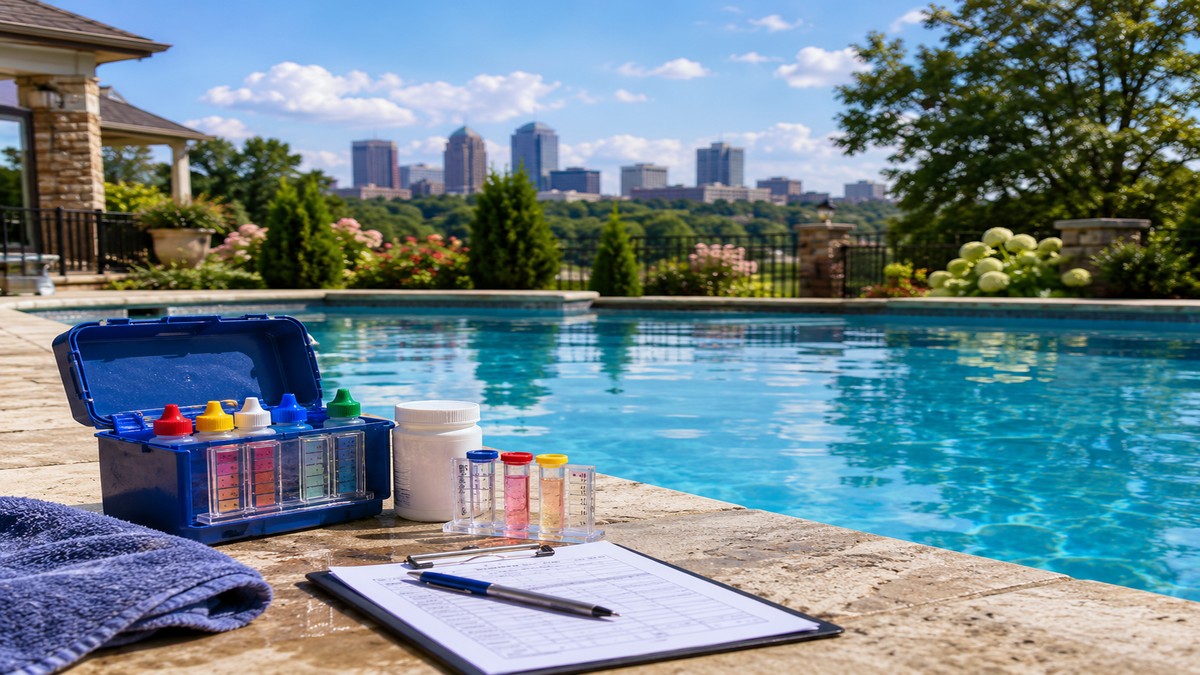

A leak repair fixes the hole. It doesn't fix the water. Pool water chemistry after leak repair is where a lot of Birmingham pool owners get tripped up, because refilling a pool with fresh water throws off everything you'd dialed in before the leak ever started. At Pool Leak Rescue, our Birmingham techs see this constantly: a homeowner patches the leak, tops off the water, and two weeks later they're staring at a pool the color of pea soup.
The good news is that this is predictable, and it's preventable. Once you understand what fresh water does to your existing chemical balance, you can get ahead of algae before it ever takes hold.
Why Refilled Water Throws Off Your Chemistry
When a pool loses water to a leak, you're not just losing volume. You're losing whatever chemical balance you had built up over weeks or months. Fresh fill water is essentially a blank slate, and it rarely matches your pool's established levels.
Birmingham's municipal water tends to run on the harder side, with mineral content that can push calcium hardness higher than what most pools want. As a result, a pool that gets a significant refill after leak repair often ends up with:
- Diluted or near-zero chlorine levels
- Shifted pH, often trending high
- Low or inconsistent alkalinity
- Changed calcium hardness, sometimes spiking
None of these show up as a problem on day one. However, algae doesn't need day one. It needs a window, and imbalanced water after a refill is exactly that window.
Test Before You Treat
Don't guess at chemistry after a leak repair. Test the water fresh, ideally 24 hours after the refill is complete, since chemicals need time to circulate and readings taken too early can be misleading.
We recommend testing for five things:
- Free chlorine
- pH
- Total alkalinity
- Calcium hardness
- Cyanuric acid (stabilizer)
That last one catches people off guard. If your leak was significant enough to require a large refill, your stabilizer level probably dropped along with everything else. Low cyanuric acid means chlorine burns off faster in sunlight, which sounds minor until you realize it's often the actual root cause behind a "chlorine keeps disappearing" complaint.
A Real Example From the Field
One of our technicians worked a repair on a Vestavia Hills backyard pool last spring where the owner had lost close to 40% of her water before the leak was found. She refilled it herself, tossed in a few chlorine tablets, and assumed she was covered. Ten days later, the deep end had a green tint creeping in along the walls. Her stabilizer had tested at nearly zero, so the chlorine she was adding was burning off within hours instead of lasting. Once we corrected the cyanuric acid level, the chlorine finally had something to hold onto.
Rebalancing in the Right Order
Chemistry adjustments aren't a dump-everything-in-at-once situation. Sequence matters.
Step 1: Alkalinity First
Total alkalinity acts as a buffer for pH, so it should be corrected before you touch anything else. Target range is typically 80 to 120 ppm. If it's low, sodium bicarbonate will bring it up gradually.
Step 2: pH Second
With alkalinity stabilized, pH becomes much easier to hold in place. Aim for 7.4 to 7.6. Because Birmingham water often runs on the alkaline side after a refill, you may need a pH decreaser rather than an increaser, which surprises a lot of homeowners who assume they'll need to raise it.
Step 3: Chlorine and Stabilizer Together
Once pH and alkalinity are settled, bring chlorine up to a consistent 1 to 3 ppm and check your cyanuric acid. If stabilizer is low, this is the moment to add it, since chlorine added into unstabilized water simply won't last.
Step 4: Calcium Hardness Last
Calcium hardness gets addressed last because it's the slowest-moving number and the least urgent for preventing algae. Target range sits around 200 to 400 ppm depending on your pool's surface material.
Algae Prevention After a Leak Repair
Even with balanced chemistry, a freshly refilled pool is more vulnerable to algae for the first two to three weeks. This is a temporary window, but it's a real one.
A few things help close that window faster:
- Brush the walls and floor every other day for the first two weeks, since algae spores need a surface to grip and brushing disrupts that
- Run the filter longer than usual, closer to 10 to 12 hours a day instead of your normal cycle
- Shock the pool once chemistry is balanced, particularly if the leak sat undetected for more than a few days before repair
- Check chlorine daily for the first week rather than your usual weekly rhythm
Because algae growth accelerates fast once it starts, catching a faint tint on day three beats discovering a full bloom on day ten.
When to Call a Professional Instead of DIY
Some situations call for more than a test strip and a bag of shock. If your pool sat with a significant water loss for an extended period, if you're seeing algae despite balanced readings, or if your stabilizer and calcium levels seem locked in a stubborn fight against each other, it's worth having a technician look at the full picture. Sometimes what looks like a chemistry problem is actually a filtration or circulation issue left over from the leak itself.
Frequently Asked Questions
How long after a leak repair should I wait before swimming?
You can typically swim once chlorine and pH fall within safe ranges, which is usually 24 to 48 hours after the initial refill and rebalancing. Always confirm chlorine is at least 1 ppm and pH is between 7.2 and 7.8 before swimmers get in.
Why does my pool keep turning green after refilling it post-repair?
Green water after a refill almost always points to low or completely burned-off chlorine, often because stabilizer levels dropped along with the rest of your chemistry during the leak. Testing cyanuric acid alongside chlorine will usually reveal the actual cause.
Do I need to shock the pool after every leak repair?
Not always, but it's recommended if the leak went undetected for several days or if algae is already visible. Shocking after a major refill also helps burn off any organic contaminants introduced by new fill water.
Will Birmingham tap water affect my pool chemistry after a refill?
Yes. Birmingham's water tends to run harder and can push pH and calcium hardness higher than ideal, so it's common to need a pH decreaser rather than an increaser after a large refill.
How often should I test water after a leak repair?
Daily testing for the first week is a good rule of thumb, tapering to every two to three days once your levels hold steady for several consecutive readings.
Can imbalanced water damage my pool after a repair?
Yes. Low pH or alkalinity can corrode metal components and etch plaster, while high calcium hardness can cause scaling on surfaces and equipment. Getting chemistry right after a repair protects the work that was just done.
Ready for a Chemistry Check?
Getting your water balanced after a leak repair doesn't have to be a guessing game. If you'd rather have someone look at the numbers and handle the rebalancing correctly the first time, book a consultation with Pool Leak Rescue and we'll make sure your Birmingham pool comes out of repair clear, balanced, and algae-free.
Discover More Blog Posts
Explore our collection of informative and engaging blog posts.
Ready for a Leak-Free Pool Experience?
Contact Leak Rescue today for professional and reliable pool care services. Whether it’s detection, repair, or renovations, we ensure your pool remains a source of joy and relaxation.
