
How to Catch a Pool Leak Before You Close It for the Season
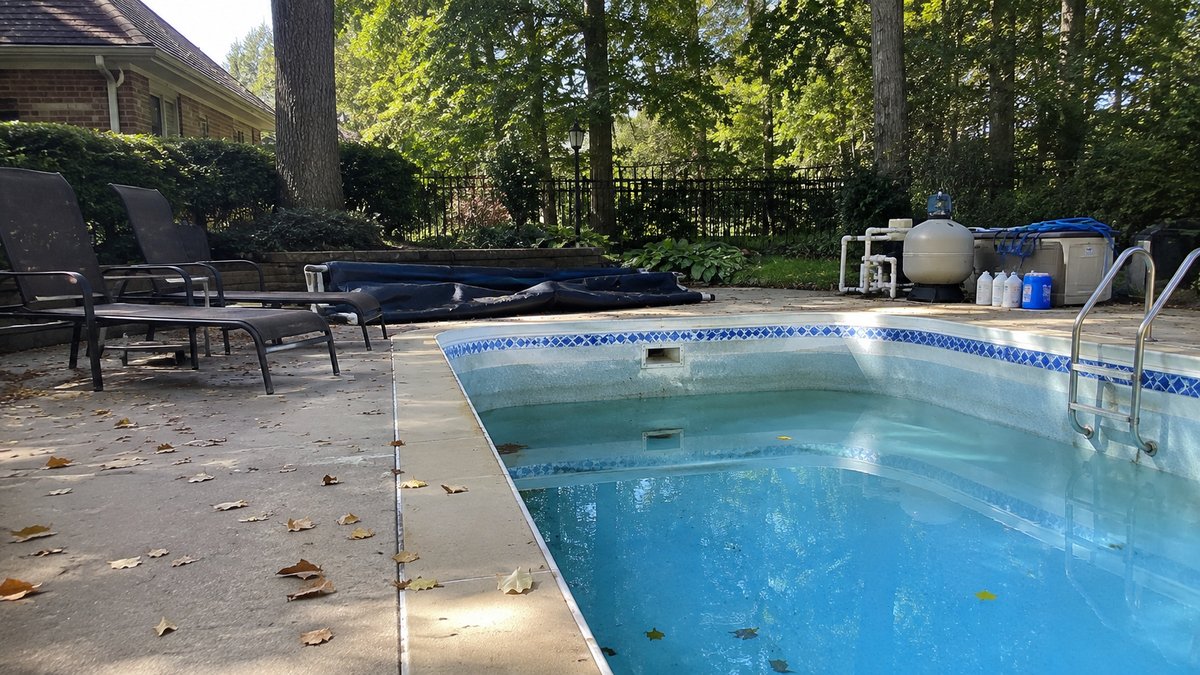

How to Catch a Pool Leak Before You Close It for the Season
Closing your pool for the winter should be simple. Skim it, balance it, cover it, and forget about it until spring. A hidden leak turns that simple task into a spring nightmare, because a pool that sits low and unchecked for months can damage the liner, stress the structure, and leave you facing a much bigger repair bill than the one you would have paid in August. Leak Rescue works with Birmingham homeowners every fall who wish they had caught the leak before closing day instead of after.
Why Late Summer Is the Best Time to Check
Once your pool is closed, most of the plumbing lines get plugged for winter. That means the diagnostic options you have right now, while the pool is still open and running, disappear the moment you shut everything down. A leak that would take an afternoon to find and fix in August can sit hidden under a winter cover for months, quietly doing damage the whole time.
Birmingham's clay soil adds another layer to this. The ground shifts as it dries out through late summer, and that movement puts real stress on buried plumbing and skimmer lines. A leak that started small in July can grow by October. Catching it now, while your equipment is still running and accessible, is simply easier than dealing with it in January.
Signs Your Pool Already Has a Leak
Some signs are obvious. Others are easy to write off as normal end of summer wear. Watch for these before you close up for the season.
- Water level dropping more than a quarter inch a day. Some evaporation is normal in Alabama's late summer heat, but consistent loss beyond that points to an actual leak.
- A soggy spot in the yard near the equipment pad. This usually means a line leak, and it will only get worse once the ground gets wetter through fall and winter.
- Cracks or a sinking section of the pool deck. Ground movement around the shell is a classic sign of a leak working its way to the surface.
- Air bubbles in the return jets. This means a suction line is pulling in air somewhere, often from a leak on that side of the system.
- A rising water bill with no other explanation. An automatic fill valve can mask a leak for weeks by quietly topping off the pool, so the leak never becomes obvious until the bill arrives.
If any of these sound familiar, it's worth getting the pool checked before the cover goes on, not after.
The Bucket Test Still Works Here Too
Before assuming the worst, rule out simple evaporation. Fill a bucket to the same level as your pool water, set it on a step, and mark both water lines. Check it again after 24 hours. If the pool has dropped noticeably more than the bucket, you are looking at a real leak rather than just a hot week.
What Happens If You Close a Leaking Pool Anyway
A lot of homeowners assume a small leak can wait until spring. In practice, closing a pool with an unresolved leak tends to make the problem worse, not smaller.
Water loss under a winter cover often goes unnoticed for weeks, since nobody is checking the level daily the way they might during swim season. A vinyl liner can pull away from its track as the water drops. A gunite shell can develop new stress cracks if the water level falls far enough to change the pressure balance around the pool. In freezing weather, low water levels around plumbing lines and skimmers raise the risk of frozen pipes and cracked fittings, since there is less water buffering the system from temperature swings.
By the time you open the pool in spring, a leak that would have been a straightforward repair in August has often turned into a full liner replacement, a shell repair, or a plumbing job that costs several times more.
How Leak Rescue Finds the Source Before You Close Up
We do not guess where a leak is hiding. Every pre-winterization leak check starts with confirming there is an actual leak, then narrowing down exactly where it is.
Static water loss test. This confirms whether you're dealing with a real leak or just normal seasonal evaporation before we do anything else.
Pressure testing each line. We isolate and test every plumbing line individually. A line that loses pressure tells us exactly where to look next.
Sonar and dye testing. Once we know which line is involved, sonar equipment helps pinpoint the exact section, and dye testing confirms cracks at the skimmer, light niche, or tile line.
A written report before winterizing. You get a clear answer and a repair quote before your pool ever gets closed for the season, so you're not guessing what shape it will be in come spring.
Trenchless Repair Means You Can Still Close On Time
Finding a leak in late summer does not have to blow up your closing timeline. Many plumbing leaks can be repaired using Pipepoxy, our trenchless repair method that seals the pipe from the inside without digging up your deck or landscaping. Because there's no excavation and no waiting on concrete work, most Pipepoxy repairs are finished and pressure tested the same day, which means your pool can still get closed on schedule.
Frequently Asked Questions
How late in the season can I still get a leak checked before closing my pool?
As long as your pool is still running and the equipment is accessible, we can run a full diagnostic. The earlier in late summer or early fall you catch it, the more repair options are available, since some fixes get harder once the water temperature drops.
Will a small leak really cause problems if I just close the pool anyway?
Yes. A small leak left unresolved over winter tends to get bigger, not smaller. Falling water levels can stress liners, shift pressure on the shell, and leave plumbing more vulnerable to freeze damage.
Can you repair a leak without delaying my pool closing date?
In most cases, yes. Our Pipepoxy trenchless repair method often lets us fix plumbing leaks the same day, without the excavation and downtime of a traditional dig-up repair, so your closing schedule usually stays intact.
What if I already closed my pool and now suspect a leak?
We can still help. A closed pool with a suspected leak needs a slightly different approach since the plumbing is plugged, but we can check water levels, look for deck or equipment pad wet spots, and determine whether it's safe to wait until spring or worth addressing now.
How much does a pre-winterization leak check cost?
Most leak detection visits are a flat service fee that covers a full system inspection. You get one clear price up front, and if we find a leak, a written repair quote follows before any work begins.
Is fall a bad time to have pool repairs done?
Not at all. Late summer and early fall are actually good times for repairs, since equipment is still accessible and pool contractors typically have more flexibility before the winter closing rush hits.
Don't let a small leak turn into a spring surprise. Call Leak Rescue at (866) 365-5325 or request a free estimate, and we'll check your pool for leaks before you close it up for the season.
Discover More Blog Posts
Explore our collection of informative and engaging blog posts.
Ready for a Leak-Free Pool Experience?
Contact Leak Rescue today for professional and reliable pool care services. Whether it’s detection, repair, or renovations, we ensure your pool remains a source of joy and relaxation.
